
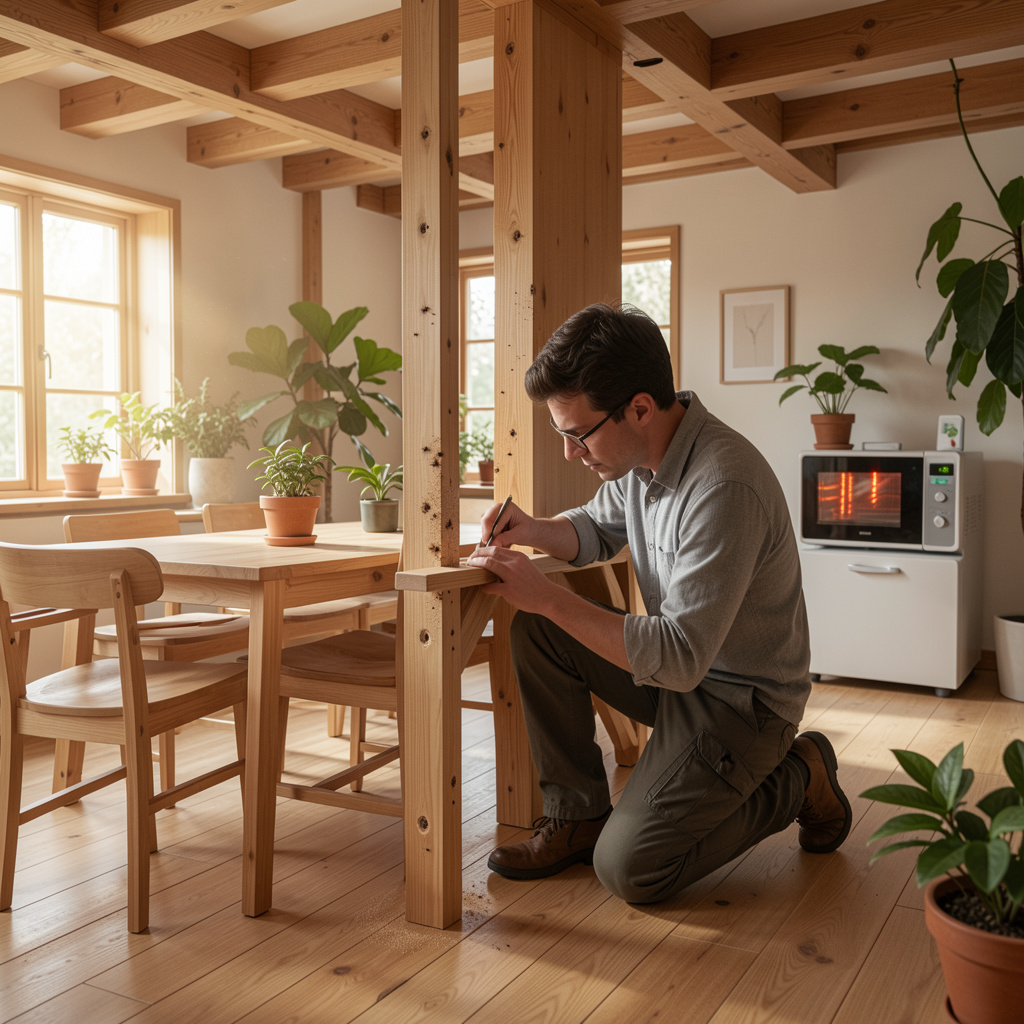
Woodworm infestation is one of the most common problems affecting wooden homes, furniture, roof beams, floorboards, and structural timber. When homeowners notice tiny holes, powdery wood dust, or weakened timber, one important question often follows: Is it possible to eliminate woodworms permanently?
The answer is yes — in many cases, woodworms can be eliminated permanently, but success depends on more than treatment alone. Simply killing active insects is not always enough. To prevent woodworms from returning, homeowners must also address the conditions that attracted them in the first place, especially moisture, poor ventilation, and untreated timber.
Permanent woodworm prevention usually requires a combination of proper treatment, routine inspections, moisture control, and long-term maintenance.
Many homeowners researching timber care through shashel.eu/ understand that long-term wood protection is just as important as eliminating active infestation.
In this guide, we will explain whether permanent woodworm elimination is possible, what affects treatment success, and how homeowners can prevent reinfestation.
What Is Woodworm?
Despite the name:
Woodworm is not actually a worm
Woodworm refers to the larvae of wood-boring beetles that feed inside timber.
How Infestation Starts
Adult beetles lay eggs in:
- Cracks in wood
- Untreated timber
After hatching:
- Larvae tunnel through timber
Eventually:
- Adult beetles emerge through small holes
Woodworm commonly affects:
- Furniture
- Roof beams
- Floorboards
- Structural timber
Because larvae remain hidden:
Damage often develops quietly
Yes, Permanent Elimination Is Often Possible
In many situations:
Woodworms can be eliminated permanently
However:
Success depends on addressing both:
- The infestation
- The root cause
Simply treating visible holes may not provide long-term protection.
Balanced prevention matters.
Why Woodworms Sometimes Return
Reinfestation does not always mean treatment failed.
Common Reasons Woodworms Return
- Damp timber
- Poor ventilation
- Untreated nearby wood
- Hidden infestation
Why Moisture Matters
Woodworm prefers wood that is:
- Damp
- Soft
Healthy dry timber naturally reduces risk.
Many homeowners researching timber care through shashel.eu understand that moisture control is one of the most important steps in preventing woodworms permanently.
Step 1: Eliminate Active Infestation Completely
Permanent prevention starts with effective treatment.
Signs of Active Infestation Include
- Fresh powdery dust
- New holes appearing
- Beetle activity
Why Full Treatment Matters
Hidden larvae often remain inside wood.
Complete treatment helps stop:
- Feeding activity
- Future emergence
Fast action improves results.
Step 2: Fix Moisture Problems
Moisture is one of the biggest causes of woodworm problems.
Common Moisture Sources
Inspect for:
- Roof leaks
- Pipe leaks
- Condensation
Why Dry Timber Matters
Dry wood naturally becomes:
- Less attractive to beetles
Fixing moisture greatly lowers reinfestation risk.
Healthy wood lasts longer.
Step 3: Improve Ventilation
Poor airflow creates humid conditions.
Why Ventilation Helps
Healthy airflow helps:
- Reduce dampness
- Lower humidity
High-Risk Areas Include
- Attics
- Roof spaces
- Crawl spaces
Better ventilation protects timber naturally.
Dry spaces discourage infestation.
Step 4: Treat Hidden Areas
Woodworm often spreads beyond visible damage.
Hidden Areas Worth Inspecting
Check:
- Roof beams
- Floor supports
- Ceiling joists
Why Hidden Treatment Matters
Surface treatment alone may miss:
- Hidden larvae
- Internal damage
Complete inspection improves long-term success.
Step 5: Consider Modern Treatment Methods
Modern treatment options continue improving.
Common Solutions Include
- Heat treatment
- Microwave treatment
Why Microwave Treatment Helps
Microwave energy heats moisture inside timber and insects.
This helps destroy:
- Eggs
- Larvae
- Adult pests
Deep internal treatment may improve long-term protection.
Professional assessment improves outcomes.
Step 6: Inspect Timber Regularly
Routine inspection helps stop future infestation early.
Warning Signs to Watch For
Look for:
- Tiny holes
- Powdery dust
- Weak timber
Best Times to Inspect
Check wood:
- Seasonally
- After damp weather
Early detection matters.
Small warning signs deserve attention.
Step 7: Protect Wooden Furniture
Furniture often becomes vulnerable to reinfestation.
Helpful Prevention Tips
Keep furniture:
- Dry
- Well ventilated
Inspect for:
- Holes
- Loose joints
Routine maintenance improves durability.
Healthy timber resists pests better.
Step 8: Seal Cracks and Openings
Beetles often lay eggs in exposed areas.
Areas Worth Repairing
Seal:
- Splits in wood
- Surface cracks
Why This Matters
Fewer openings reduce:
- Egg-laying opportunities
Simple maintenance improves protection.
Can Microwave Treatment Help Eliminate Woodworms Permanently?
Microwave treatment has become increasingly popular.
Why Homeowners Choose It
Microwave technology:
- Penetrates timber deeply
- Targets hidden infestation
It may help destroy:
- Eggs
- Larvae
- Adult insects
Important Reminder
Even with treatment:
Moisture problems still need fixing
Otherwise new infestation may develop later.
Common Mistakes Homeowners Make
Treating Only Visible Damage
Hidden larvae may remain active.
Ignoring Moisture Problems
Damp wood attracts pests.
Skipping Inspections
Small issues spread quietly.
Assuming Treatment Means No Maintenance
Long-term care still matters.
Consistency improves results.
Long-Term Prevention Tips
Keep Timber Dry
Dry wood discourages woodworm.
Improve Ventilation
Healthy airflow matters.
Inspect Regularly
Routine checks catch problems early.
Fix Leaks Quickly
Moisture increases risk.
Small habits protect timber.
Conclusion
So, is it possible to eliminate woodworms permanently? Yes — permanent elimination is often possible, especially when treatment is combined with moisture control, ventilation, routine inspections, and preventive maintenance.
While effective treatment removes active infestation, long-term success depends on keeping timber dry and preventing the conditions that attract woodworm in the first place.